A few weeks ago I was reviewing the annual IT spend for a long-term client — a professional services firm with about 35 people. We’d been working together for three years. Good relationship. Solid infrastructure. No major incidents.
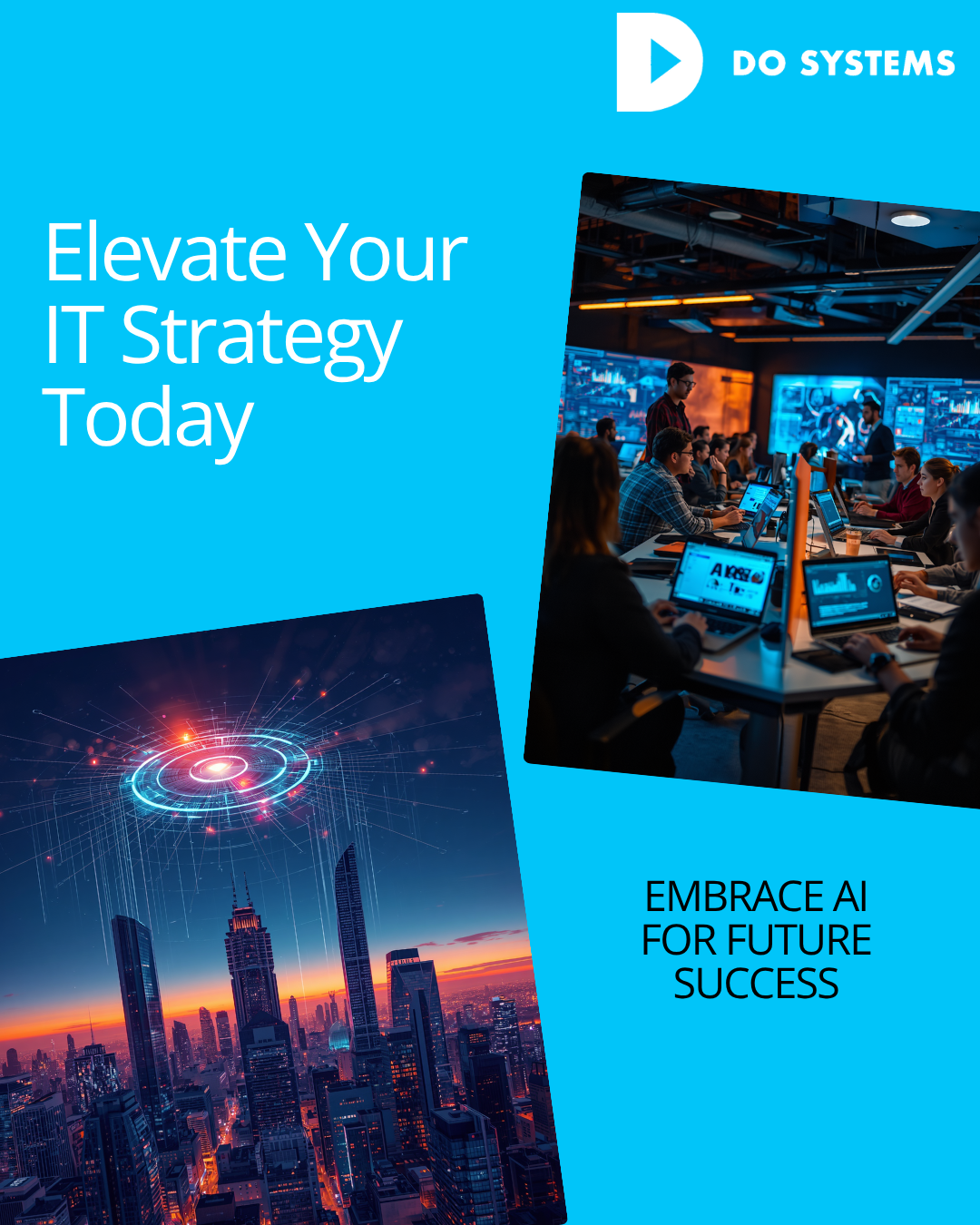
But when I looked at their setup against what was available to businesses their size in 2026, something stood out. They were still running IT the way businesses ran IT in 2022. Competent. Stable. And falling behind.
Not because their IT was broken. Because the world around them had moved, and their strategy hadn’t moved with it. This is the conversation I’m having more and more with business owners. Not about fixing something that’s broken — but about understanding that the baseline for what good IT looks like has shifted significantly, and that shifting is accelerating.
What’s Actually Changed
Three things have converged in the past 18 months that are reshaping what IT needs to do for a small business.
First, the cyber threat landscape has been transformed by AI on the attacker side. Phishing emails that used to be identifiable by broken English and obvious formatting are now indistinguishable from legitimate communications, because attackers are using AI to generate them at scale and personalise them using data scraped from LinkedIn and company websites. The sophistication of attacks targeting small businesses has jumped dramatically, and traditional defences haven’t kept pace.
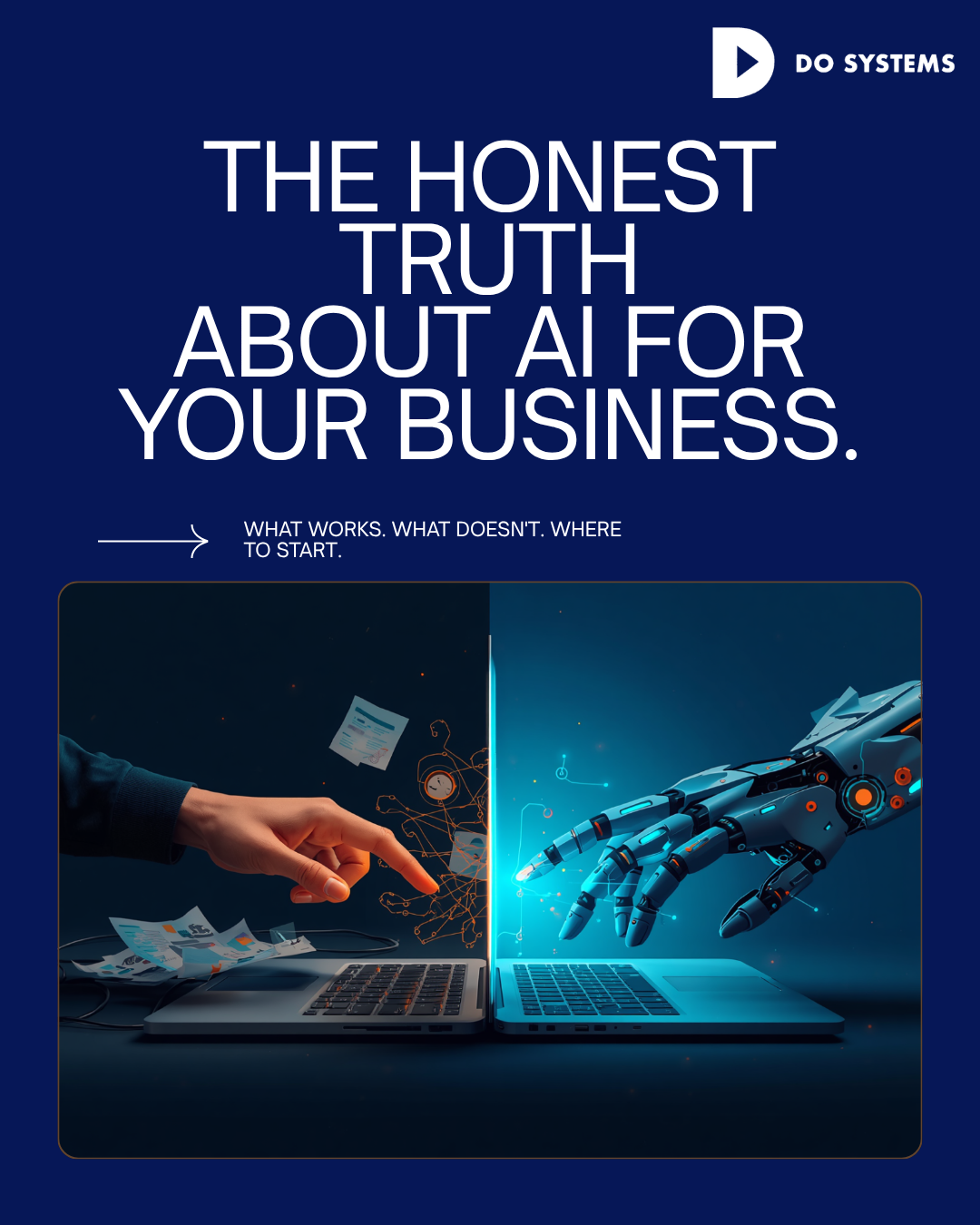
Second, AI tools are now embedded in the workflows of most businesses — whether leadership knows it or not. As we discussed in a previous post, employees are using AI tools independently, which creates data governance and security challenges that didn’t exist two years ago. Managing that responsibly requires an intentional approach that most SMB IT setups weren’t designed for.
Third, the productivity gap between AI-enabled businesses and non-AI businesses is starting to become measurable. Teams using AI-assisted tools for documentation, communication, research, and process automation are producing more output per person. As that gap widens, it becomes a competitive issue — not just an operational one.
What an AI Layer in Your IT Strategy Actually Looks Like
I want to be concrete about this, because AI strategy can sound abstract in a way that makes it feel distant from the day-to-day reality of running a business.
An AI layer in your IT strategy means, first, that your monitoring and security tooling uses AI to detect threats and anomalies that traditional tools miss. We’ve covered this in depth — the short version is that AI-powered monitoring catches things earlier and more accurately than threshold-based systems, and that gap matters enormously when threats are as sophisticated as they are now.
The gap between AI-enabled businesses and non-AI businesses isn’t closing. It’s widening. And 2026 is the year that gap starts to show up in revenue.
It means, second, that your business has a clear framework for AI tool usage — what’s approved, what’s not, what data can be used as inputs, and how AI outputs should be verified before they’re acted on. Not a blanket ban. Not a free-for-all. A governed approach that lets your team get the productivity benefits without the risks.
It means, third, that you’re actively identifying where AI automation can reduce the manual overhead in your operations — and implementing those automations thoughtfully, starting with the highest-value, lowest-risk use cases. And it means, fourth, that your IT partner is thinking about this alongside you — not just keeping your systems running, but helping you understand where technology is heading and making sure your infrastructure is positioned to take advantage of it.
The Cost of Waiting
The businesses I’m most concerned about are the ones that are functioning fine right now but haven’t thought about this at all. Because the challenges don’t arrive with warning signs.
An AI-generated spear phishing attack that bypasses your traditional email filters doesn’t announce itself. A competitor who’s automated 30% of their back-office work doesn’t publish a press release about it. A data governance problem created by unmanaged AI tool usage doesn’t show up until there’s an incident.
The gap between AI-enabled businesses and non-AI businesses isn’t closing. It’s widening. And 2026 is the year that gap starts to show up in revenue, in client retention, in the ability to attract talent, and in the cost of running operations. This isn’t a prediction. It’s already happening. I see it in the difference between clients who started thinking about this 18 months ago and those who are starting to think about it now.
Where Do Systems Fits Into This
We’ve spent the past two years building AI capabilities into every layer of what we do. Our monitoring platform uses machine learning for anomaly detection and predictive maintenance. Our security tooling uses AI for threat analysis and response prioritisation. We’ve built AI governance frameworks for clients across professional services, logistics, and financial services. And we’re actively helping businesses identify and implement AI automation in their operations in a way that delivers real, measurable results.
We don’t do this because AI is fashionable. We do it because it’s become necessary to do IT well. The tools that defined best practice three years ago aren’t sufficient for the environment businesses are operating in today.
The professional services firm I mentioned at the start? We’re in the process of upgrading their IT strategy now. New monitoring layer. AI governance policy. Two targeted automation implementations. It’s not a dramatic overhaul — it’s a deliberate update to make sure their technology is positioned for where their business is going, not just where it’s been. That’s what an AI layer in your IT strategy looks like. Not a revolution. An evolution. But one that’s worth starting now rather than later.
Ready to build an IT strategy that’s built for 2026 and beyond? Visit www.dosystemsinc.com
Comments are closed