
He came to me with a customer relationship problem. What we found when we dug into it was a quality control system problem.
Precision components manufacturer. Roughly 2,000 units per day. Three quality complaints in four months – which doesn’t sound like much until you factor in that two of them had come from the same customer, and that customer was now threatening to pull their contract.
“We have two inspectors on the line. They’re good people. They work hard. But they can’t catch everything.”
He was right. And it genuinely wasn’t their fault.
When I looked at their inspection process, the constraint was structural. They were sampling – checking one in every five units – because inspecting every unit at line speed wasn’t physically possible. At 2,000 units per day, two inspectors checking every single component would mean the line running at a fraction of its current speed. So they sampled. And in the gaps between samples, defective parts made it through.
Computer vision quality control for manufacturing exists precisely because this ceiling is real, and because AI doesn’t share it.
What Human Inspection Can and Can’t Do
Let me be specific about why manual inspection has limits – because understanding the constraint is important to understanding what we built.
Sustained visual attention is cognitively demanding. Inspecting for surface defects, dimensional accuracy, and assembly correctness requires focus – real focus, not background awareness. After the first hour, defect detection rates start declining. After three hours, the research on this is unambiguous: miss rates increase significantly.
His inspectors weren’t missing defects because they were careless. They were missing defects because that’s what happens to human visual attention under sustained, repetitive demand. It’s biology, not performance.
A computer vision system doesn’t have this problem. It checks the first unit of the day with exactly the same precision as the ten-thousandth.
What We Deployed
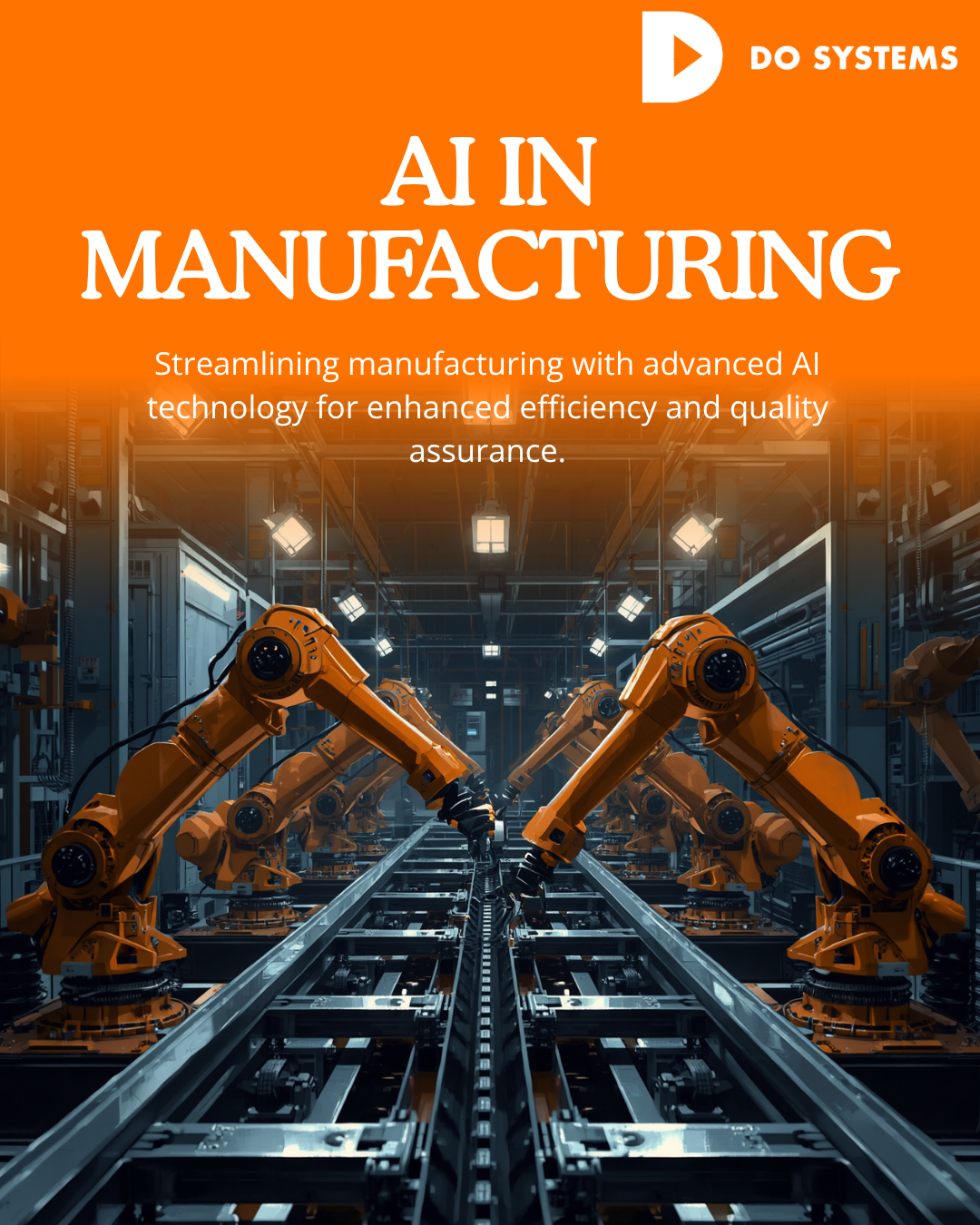
We installed a computer vision AI defect detection system at the primary inspection point on the line. Four industrial cameras. A custom-trained AI model built on thousands of labelled images of their specific components – including examples of every defect type they’d seen in two years of production.
The system checks every unit. Not a sample. Every unit. In under one second per component.
It detects surface defects including scratches, pitting, and coating irregularities. It checks dimensional accuracy against defined tolerances. It verifies assembly completeness – that all required components are present and correctly positioned. Defective parts are flagged and diverted automatically, without interrupting line flow.
The AI model was trained specifically on their parts, their line, their defect history. This is not a generic vision system. The precision comes from the specificity of the training data.
Six Months of Production Data
After six months of running the system against their historical defect rates, the numbers were clear.
Outgoing defect rate dropped 84%. Warranty claim costs were essentially eliminated. All three customers who had threatened to leave were retained. The annual defect-related cost – which had been running at approximately $40,000 – came in under $5,000.
The system paid for itself in under eight months.
And the two inspectors who had been doing manual inspection? They didn’t lose their jobs. They moved into process monitoring and equipment maintenance roles that the owner had been trying to fill for eighteen months. The roles were already there – he just hadn’t had the bandwidth to fill them properly while the quality problem was consuming attention.
Why This Used to Be Enterprise-Only – And Isn’t Anymore
Five years ago, deploying industrial computer vision at a manufacturing SMB was genuinely cost-prohibitive. The hardware was expensive. The model training required specialist machine learning engineers. The integration with production line systems was custom engineering work.
That’s no longer true. Hardware costs have dropped significantly. Model training pipelines have become more accessible. And systems integrators – including us – have developed implementation approaches that work for manufacturers doing $3–10M in revenue, not just large-scale industrial operations.
The ROI case is now strong enough that the question isn’t whether it makes financial sense. The question is what the cost of inaction is – in warranty claims, customer relationships, and operational overhead – while you’re deciding.
What a Deployment Actually Looks Like
For a manufacturer at his scale, a computer vision quality control deployment typically runs six to eight weeks from initial scoping to live production.
The critical input is labelled training data – images of good and defective parts, categorised by defect type. If you have historical quality records and inspection photos, the training process is faster. If you’re starting from scratch, we run a data collection phase first.
Hardware selection depends on your line speed, component geometry, and the types of defects you’re inspecting for. We scope this properly before specifying equipment – generic hardware recommendations are how vision systems fail. If you’re manufacturing components at volume and dealing with quality complaints, I’d like to walk through your current inspection process and show you what a vision system would look like on your specific line.

Comments are closed