
AI Agents

Build secure AI agents that execute real work across your systems

Do Systems designs and deploys enterprise AI agents that can reason, plan, and take actions—automating multi-step workflows across tools like CRM, ERP, ITSM, data platforms, and collaboration apps.
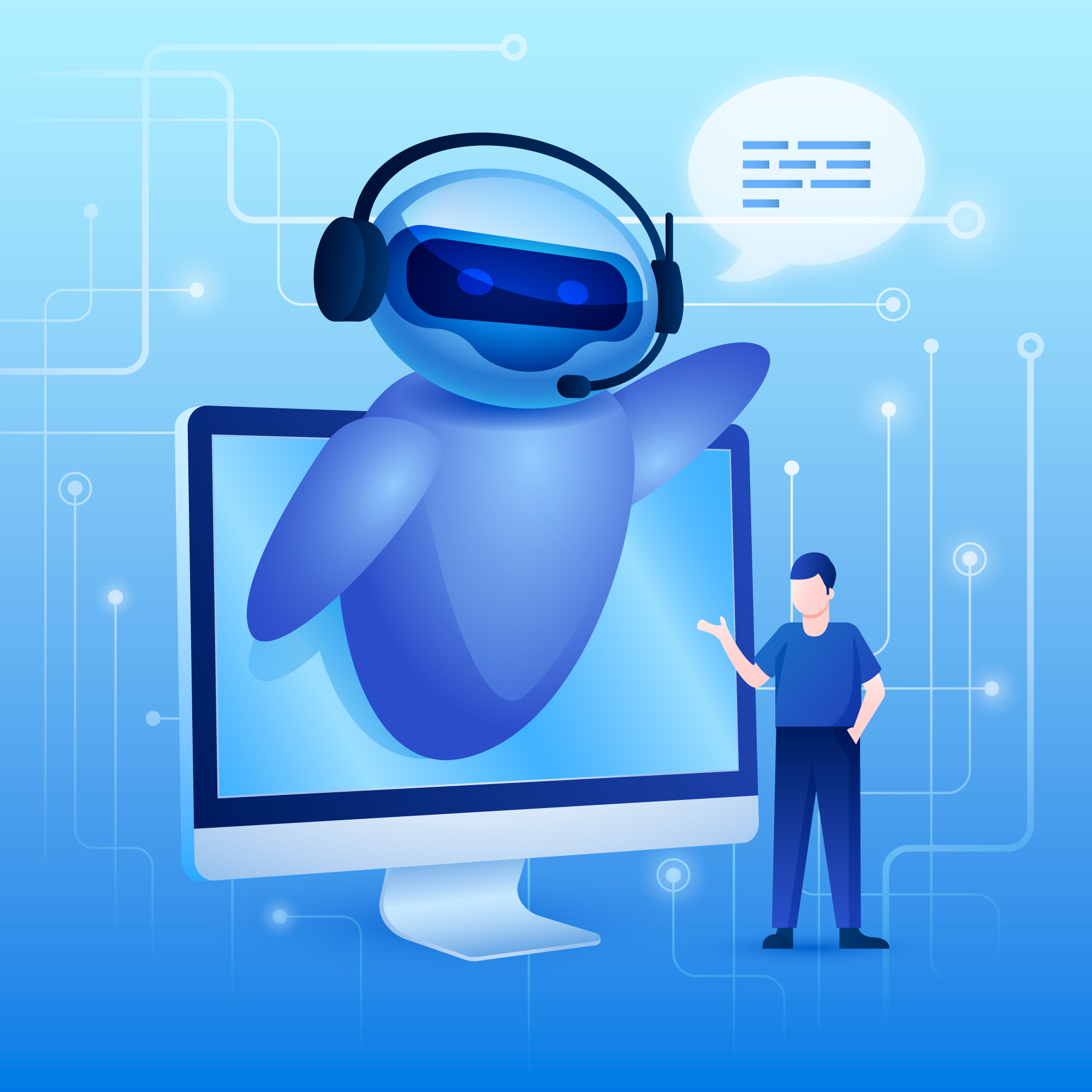
What we mean by “AI Agent”

An AI agent is an intelligent software system that can autonomously perform tasks, make decisions, and interact with users or systems based on defined goals and context—going beyond scripted chat or rule-based automation.

AI Agent vs Chatbot vs RPA

  • Chatbots: answer questions from scripts/FAQs
  • RPA bots: execute deterministic, rule-based steps
  • AI agents: combine NLP + reasoning + tool usage + workflow orchestration to complete multi-step objectives across systems

What we build

We develop AI agents that behave like digital employees—they understand context, use approved tools, and collaborate with humans when required. This includes everything from a single agent to multi-agent systems coordinating tasks end-to-end.

Typical Outcomes

  • Faster turnaround time for operational and customer workflows
  • Reduced repetitive workload through automation
  • Higher consistency via guardrails, approvals, and audit trails

Core capabilities

sr icon 1 1

Autonomous decision-making (with guardrails)

Agents that can plan and execute tasks using proven patterns (planning, tool calling, and step-by-step workflow orchestration).

sr icon 1 4

Memory & context awareness

Agents retain relevant context from past interactions to deliver more personalized, accurate responses.

sr icon 1 2

Goal-Oriented Workflows

Multi-step task automation aligned to measurable business outcomes.

fe 2 4 1

Integration-ready (systems + data)

Connect with APIs, databases, CRMs, and business systems to read/write data and trigger actions.

sr icon 3 4 1

Multi-Agent Collaboration

When scale requires it, multiple specialized agents coordinate and hand off tasks across domains.

sr icon 1 5

Human-in-the-loop approvals

For high-stakes decisions, agents escalate, request approval, or route to humans—so autonomy never compromises control.

How we deliver (from pilot to scale)

  1. Discovery & use-case selection
    Define goals, KPIs, success criteria, stakeholders, and system boundaries.
  2. Agent design
    Define the agent role(s), tools, permissions, memory strategy, and escalation logic.
  3. Integration & knowledge grounding
    Connect to your approved systems and documents (policies, SOPs, knowledge bases) to improve accuracy.
  4. Evaluation, safety & monitoring
    Test for accuracy, consistency, security, and failure modes; instrument logs and quality checks.
  5. Rollout & adoption
    Pilot with a small group, measure results, refine, and expand.

Benefits

  • Reduce manual workload by automating repetitive, time-consuming processes
  • Increase efficiency through faster, data-driven decision-making
  • Enhance customer experience with 24/7 conversational or task-based agents
  • Scalable automation across teams and geographies
  • Continuous learning through structured feedback loops

AI agent use cases

sr icon 1 1

Customer Service Agents

Handle inquiries, troubleshoot issues, and escalate intelligently.

sr icon 1 4

Financial Agents

Automate reconciliation, risk analysis, and reporting.

sr icon 1 2

Sales & Marketing Agents

Engage leads, qualify, and follow up to improve conversion.

fe 2 4 1

Workflow Automation

Orchestrate cross-system tasks like approvals, alerts, and assignments.

sr icon 3 4 1

Operations & Logistics

Support scheduling, route optimization, and real-time tracking.

sr icon 1 5

Collection AI Agents

Remind users about dues and escalate based on configurable rules.

Technology Stack

sr icon 1 1

Large Language Models (LLMs)

GPT, Claude, Gemini, Ollama

sr icon 1 4

Multi-Agent Frameworks

LangChain, AutoGen, CrewAI

sr icon 1 2

Reinforcement learning (when needed)

adaptive decision-making

fe 2 4 1

Integration APIs

ERP/CRM and custom systems

sr icon 3 4 1

Vector Databases

memory and context retention

sr icon 1 5

Cloud

AWS, Microsoft, Google

Industries we serve

Enterprise agents should include encryption, RBAC, and audit logging. They can be deployed in private cloud or on-prem for data sovereignty.

Agents connect via APIs, connectors, or SDKs and can orchestrate actions across systems like CRM, ERP, HRMS/ATS, data platforms, and collaboration tools.

Decision-heavy and coordination workflows like support, onboarding, reporting, recruitment screening, compliance checks, supply chain coordination, legal summarization, and finance reconciliations.

Typically no—agents reduce repetitive work and augment teams so people can focus on strategic and creative work.

Define KPIs early (time saved, accuracy, response time, adoption rate, cost savings) and validate via a pilot before scaling.

Build Your Next Intelligent Workforce

Empower your organization with AI agents that deliver measurable efficiency, smarter decision-making, and superior customer satisfaction.